

Everyday living
Can You Use CBD Cream While Taking Medications?
Taking medication? Why a quick talk with your doctor or pharmacist comes first, and what to bring to it.
James Garman
4 min
Learn
Know what you're putting on your skin.
Plain-language guides, ingredient details and lab results for every formula.
All articlesStart here
Go deeper
How does Kannaco compare?
 Featured resourceBook of Topical IngredientsOver 44 ingredients across all three formulas, each with its INCI name, its role and why it's there.Explore the ingredients
About
Made for active adults, recommended by practitioners.
Who we are, how every batch is tested and what goes into each formula.
Our company
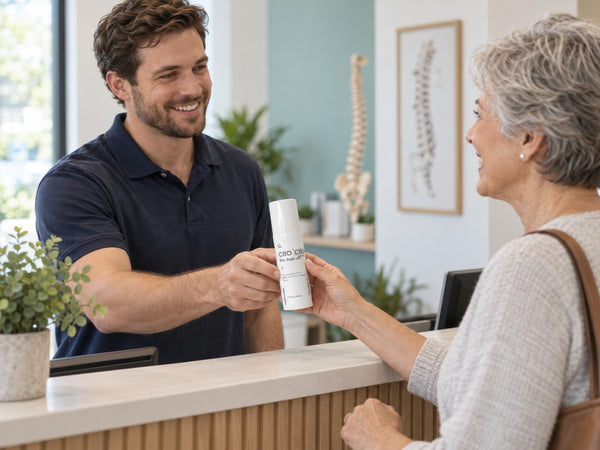 Practitioner RecommendedAsk for Kannaco at your clinicChiropractors, acupuncturists, integrative health, massage therapists and other licensed practitioners carry Kannaco CBD TopicalsPractitioner Wholesale Program
Help
How can we help?
Questions about an order, AutoShip or which formula fits? Our team is here.
Contact UsEmail, phone and live chatOrders & account
For Practitioners
Wholesale for licensed practices.
Programs for your front desk and treatment room, plus guides for your practice type.
Program overviewPrograms
Resources
Kannaco Wholesale
Sign up and place your first order today. Confirm you can provide an NPI or EIN on request, then order packs of 4, 8 or 12 or build a custom bundle.Create a Wholesale AccountWholesale LoginCBD is still legal, but the rules got tighter. Here's which products are affected, how to read a lab report against the new limit and what to ask before you buy.

Since last fall, the question in my inbox has changed. It used to be "does it work?" Now it's "can I still buy this after December?" People have seen headlines about a federal hemp ban, and nobody wants to spend money on something that's about to disappear.
I've operated in the hemp industry since 2019, including cultivation operations, in Kansas, under the state's industrial hemp research program from through 2023, so I've lived through more than one rewrite of the rules. This article is the practical side of the change: which products it hits, how to check what you already own, what to ask a brand and which states add rules of their own. It's current as of November 17, 2026, and it's plain-English background, not legal advice.
Yes, CBD is still legal under federal law. What changed is the definition of hemp, and its main limits start December 11, 2026. From that date, a finished hemp product has to stay under 0.4 milligrams of total THC in its entire container. CBD made from isolate is built to clear that bar. Many full-spectrum products won't.
If you want the legal side in full, including the timeline, what Congress changed and the citations, we keep it on one page: The federal hemp change, explained. This article picks up where that page leaves off, with what it means for the products you buy and use.
The new rules don't treat every hemp product the same way, because products carry very different amounts of THC to begin with. Here's how the main categories line up.
If you're new to the extract types, our guides to CBD isolate, broad-spectrum CBD and full-spectrum CBD explain the differences, and what is CBG covers the cannabinoid we pair with CBD.
Most people look at a lab report, see "ND" next to THC and stop there. Under the new rules, that's only half the answer. Here's how to read it the way the 0.4 mg cap requires.
Limit of quantitation (LOQ) is the lowest amount of a compound a lab can measure reliably with its method. "ND" or "not detected" means the result was below that limit, not that the amount was zero.
Here's that math on a 100 gram cream, which is about the size of a 3.4 oz bottle. To show under 0.4 mg in the whole container, the lab's limit has to be 4 parts per million (0.0004%) or lower. If the limit is 10 parts per million (0.001%), "not detected" only proves the bottle holds less than 1 mg, and that doesn't settle the question. Bigger containers need even lower limits, because the cap stays at 0.4 mg no matter how much product is inside.
Every Kannaco batch report is on the Lab Reports page, and the QR code on each bottle opens the report for that batch. Our article on CBD cream strength shows how to read the cannabinoid side of the same report.
A good brand will answer these quickly and in writing. Ask us too.
If the answers are vague, or the report can't be matched to your bottle, that tells you what you need to know. Our guide on how to choose a CBD cream covers the rest of the label.
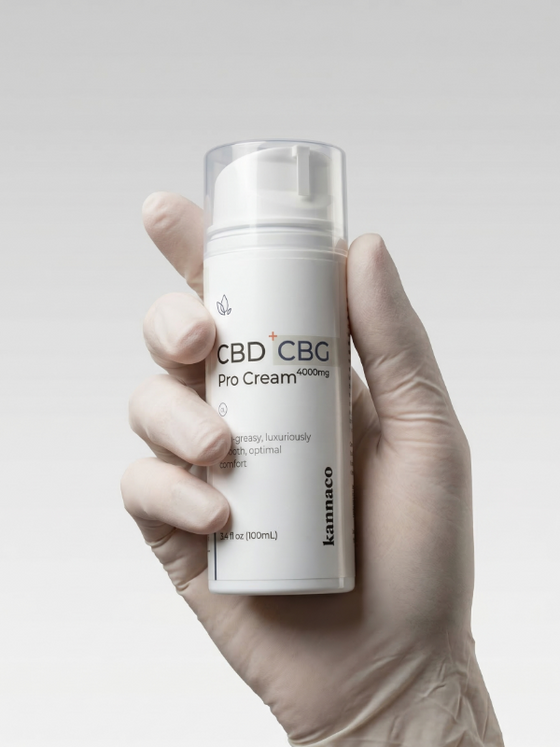
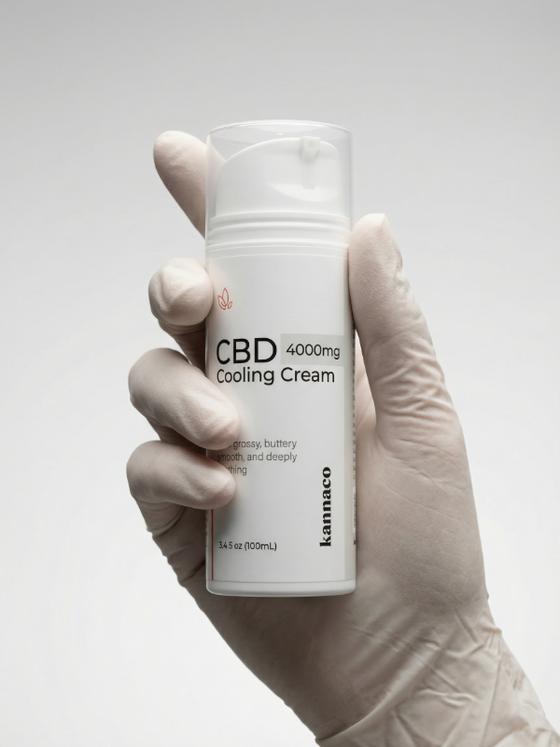
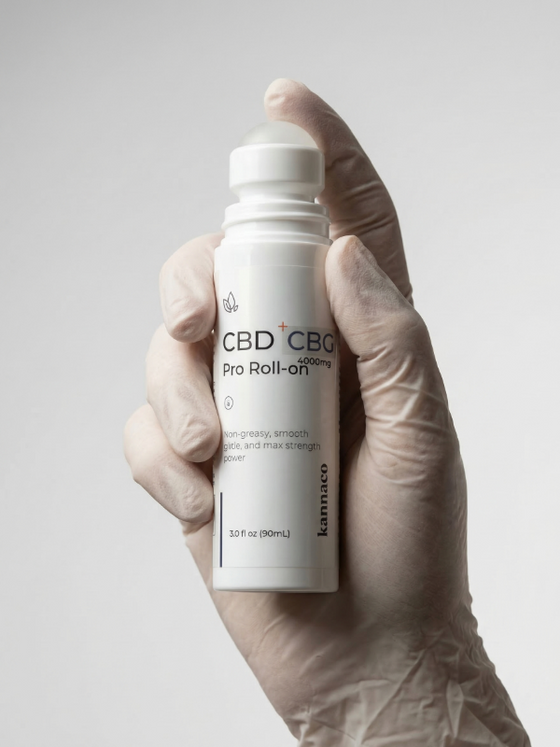
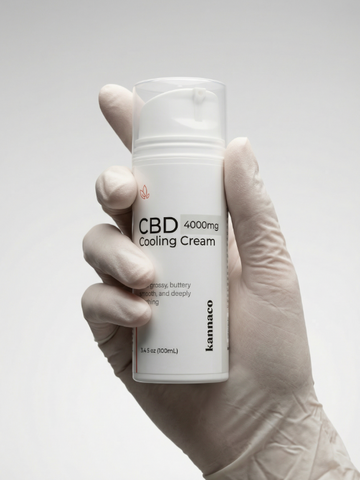
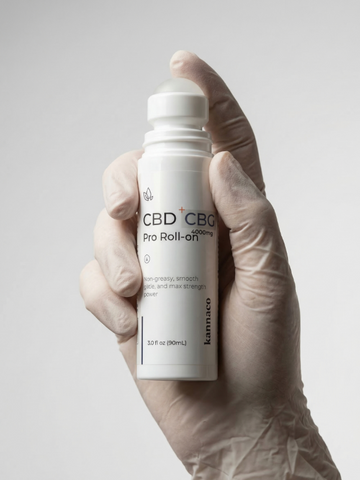
We made our product choices long before this law was written, and they happen to line up with it. All three formulas, Pro Cream, Cooling Cream and the Pro Roll-On, use hemp-derived CBD and CBG isolates in a 1:1 ratio. Nothing is converted or synthesized. Every batch goes to SC Labs, and the reports show THC as not detected.
I won't tell you that settles every question, because the regulators haven't finished their part yet. When FDA publishes its overdue guidance, or if Congress moves the date, I'll update this article and the federal hemp change page.
Federal law sets the floor. States can add licensing, age limits, labeling rules and limits on online sales. Most of those rules affect businesses that sell hemp products more than people who use them, but a few reach shoppers directly. These are the states our Kannaco by State library flagged when it was last checked on November 14, 2026:
The rest of the states, including our home state of Kansas, had no extra requirement for our topicals on that check. State rules change often, so open your state's page for the current status, the agency and the official sources.
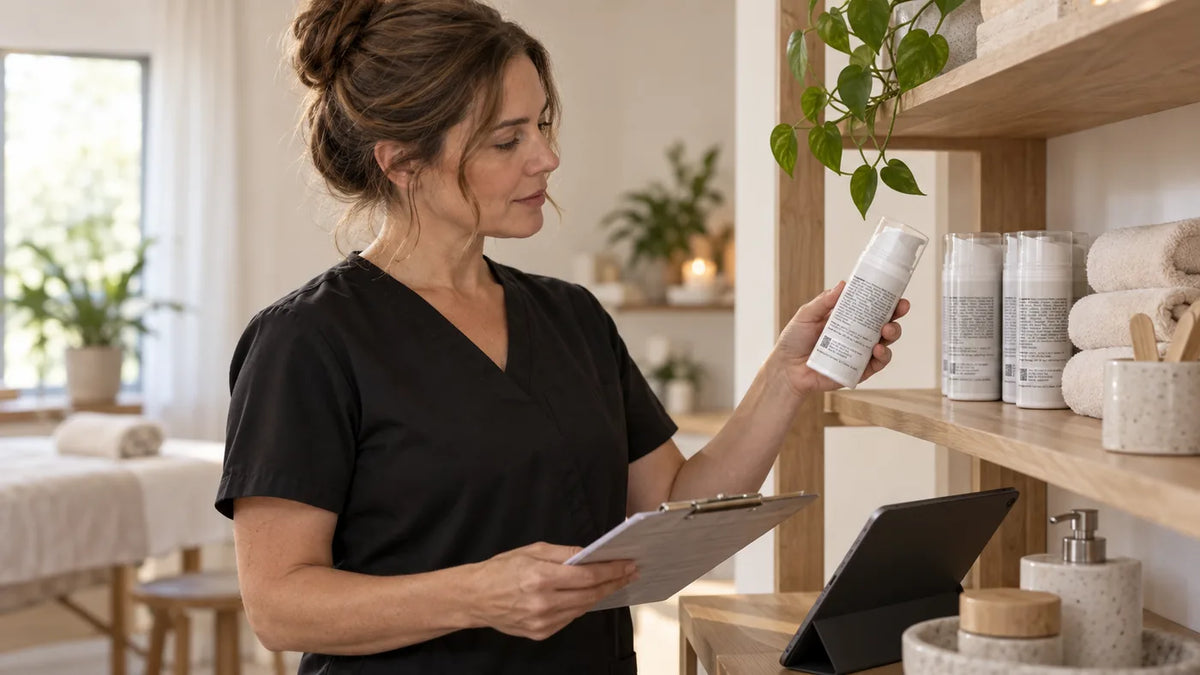
If you use or sell CBD topicals in a chiropractic, massage, physical therapy or wellness practice, your clients are going to ask about the headlines. A short, honest answer works better than a long one:
A simple client answer: "The law changed what counts as hemp, mainly to take intoxicating products off the market. The cream we use is made from CBD and CBG isolate, and the lab report for this batch shows no THC detected. I'm happy to show you the report."
Behind that answer, keep a simple inventory record for every product you use in sessions or sell at the front desk:
Anything full-spectrum, or anything without a batch-matched report, is the first thing to sort out before December 11. It's also worth a call to your liability carrier about how your policy treats hemp topicals. For profession-specific background, see what chiropractors need to know about topical CBD. If you carry Kannaco or are considering it, the practitioner program page covers ordering for sessions and for retail.
Under federal law, yes, if the product meets the new definition of hemp. Some states restrict online sales or shipping on their own, including Alabama and New Jersey. Check your state's page in Kannaco by State.
For isolate-based products with batch-matched lab reports, there's no reason to stockpile. Buy what you'll use. We can't advise on keeping products that may not meet the new definition.
Not by itself. "THC-free" is a marketing term. The proof is a batch lab report that covers total THC and lists a detection limit low enough for the size of the container.
ND means "not detected": the amount was below the lab's limit of quantitation. It doesn't mean zero, so look for the limit on the report and multiply it by the weight of the product in the container.
Yes, they follow the same THC rules as CBD products. CBG made outside the plant, by fermentation or synthesis, raises its own question under the new definition, so ask whether the CBG is extracted from hemp. Ours is.
The same 0.4 mg per container cap applies to all finished hemp products. Gummies and drinks made with THC are generally far over it. Full-spectrum oils are at risk for the same reason full-spectrum creams are.
Our page The federal hemp change, explained covers the timeline, the four main changes and the legal sources.
CBD isn't going away. The products most affected are the ones built around THC, plus full-spectrum products that carry it naturally. If you use an isolate-based cream, the habit that protects you is the same one I've preached for years: match your bottle to its lab report, and make sure the report covers total THC and the lab's detection limit. Then check your state, and keep an eye on Congress until December 11.
This article is general information, not legal advice. These statements have not been evaluated by the Food and Drug Administration. This product is not intended to diagnose, treat, cure, or prevent any disease. Talk with your healthcare provider before use if you are pregnant, nursing, taking medication, or have a medical condition.
Keep reading: the federal hemp change, explained, CBD cream and drug testing and our glossary of technical terms.
Every formula, every batch, with the lab report a click away.
Thanks for telling us. If something was missing, send us a note and we will add it.
James is the founder of Kannaco and a fifth-generation Kansas farmer. He started the company to make a professional-grade topical people could check for themselves, with a lab report behind every batch.
Taking medication? Why a quick talk with your doctor or pharmacist comes first, and what to bring to it.

Using a topical on the job: what to check in your employer's policy and on the product's lab report.

What our lab reports show about THC, what an isolate is, and why no brand can promise a test result.

Nothing daily. Unsubscribe anytime with one click.
We only use your email for the letter. See our privacy policy.