


The federal hemp change, explained: what December 11 means for CBD topicals
Congress rewrote the legal definition of hemp. Part of it took effect November 12. The rest, including a strict limit on THC per container, starts December 11, 2026. Here's what's changing, who it affects and how to check the products you use.

The short answer
Starting December 11, 2026, federal law counts total THC (THCA included) and caps finished hemp products, creams and lotions included, at 0.4 mg of total THC per container.[1][3] CBD stays legal. Products with trace THC, like most full-spectrum CBD, are the ones at risk. Synthetic and converted cannabinoids already lost hemp status on November 12.[2]
0.3% THC limit
Hemp plants and products stay at or under 0.3% THC by dry weight.
Synthetic cannabinoids out
Cannabinoids a hemp plant can't produce, including converted delta-8, are no longer hemp.
Total THC + 0.4 mg cap
THCA counts toward the limit, and each finished product is capped at 0.4 mg of total THC.
Four changes, in plain English
-
THC is counted as total THC
Labs must add THCA to delta-9 THC. The 0.3% limit now applies to the total.[1]
-
A hard cap per container
A finished product can't hold more than 0.4 mg of total THC, or other cannabinoids with similar effects, in its whole package.[2]
-
Synthetic cannabinoids are excluded
Anything made outside the plant or converted from CBD lost hemp status on November 12.[6]
-
Over the line means marijuana
Products that fail the new test are treated as marijuana under federal law.[5]
How we got here
Eight years from the 2018 Farm Bill to the new definition, with one short delay along the way.
2018 Farm Bill
Hemp defined by delta-9 THC only (0.3%).
P.L. 119-37 signed
Congress rewrites the hemp definition, effective in one year.
P.L. 119-103 signed
Most of the change pushed to Dec 11.
Synthetic cannabinoids out
Lab-made and converted cannabinoids lose hemp status.
Total THC + 0.4 mg cap
The rest of the new definition takes effect.
How the 0.4mg Cap Effects CBD Cream
The 0.4mg cap is per container, not per serving, and essentially rules out the possibility of using full spectrum hemp extract in any products.
Estimated THC in a 100 mL (about 100 g) cream. 0.01% of 100 g is 10 mg.
Full-spectrum extracts carry trace THC by naturally. Even small traces add up across a whole bottle, which is why legal analysts expect many full-spectrum CBD products to be affected.[8] The U.S. Hemp Roundtable's general counsel has said the cap could take about 95% of hemp products off the market.[6]
Is the federal hemp change on December 11 or December 12?
The legal date is Friday, December 11, 2026.[1][3] That's when the total-THC standard and the 0.4 mg per-container cap take effect. You may see December 12 mentioned because it's the first full day under the new rules. Either way, the rules apply from the 11th.
December 11 is also the day current federal funding runs out, so Congress is handling hemp and the budget on the same deadline.[6][10]
Is CBD being banned?
No. CBD itself stays legal under federal law. What changes is how much THC a finished hemp product can hold. After December 11, a product with more than 0.4 mg of total THC in its container no longer counts as hemp.[1] So CBD products made with trace THC, like most full-spectrum oils and creams, are the ones at risk. Products made from CBD isolate, which has the THC removed, are built to stay under the line.[8]
Does the new rule apply to CBD creams and lotions?
Yes. The cap covers finished hemp products of every kind, including products applied to the skin.[3] A topical doesn't get a pass because it isn't eaten. What matters is the total THC in the container.
What does “0.4 mg of total THC per container” actually mean?
It means the whole package, not one serving. The law defines the container as the “innermost wrapping, packaging or vessel in direct contact with” the product.[7] For a cream, that's the bottle or jar itself.
That is a very small amount. In a 100 mL bottle, 0.4 mg works out to about 4 parts per million. A cream with just 0.01% THC would hold about 10 mg in that same bottle, 25 times the limit.
What is “total THC,” and why does THCA matter?
What already changed on November 12, 2026?
Could Congress delay or change the rule again?
It's possible, but nothing has passed as of November 14, 2026. A bipartisan bill, the Lawful Hemp Protection Act, would replace the cap with a regulatory framework, and other bills would delay it for up to two years.[1][10] The next government funding bill is the likely vehicle for any change.[3] Akerman, a national law firm, put the current extension plainly: “The delay is temporary — not a safe harbor.”[4] We'll update this page as soon as anything is signed.
Can I still buy Kannaco after December 11?
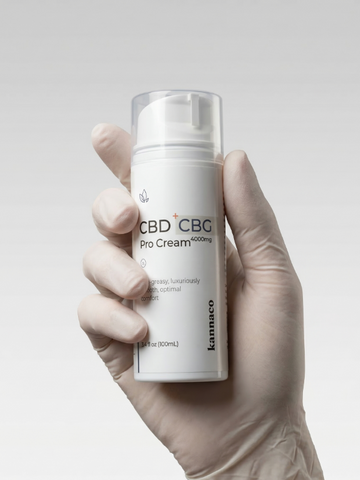
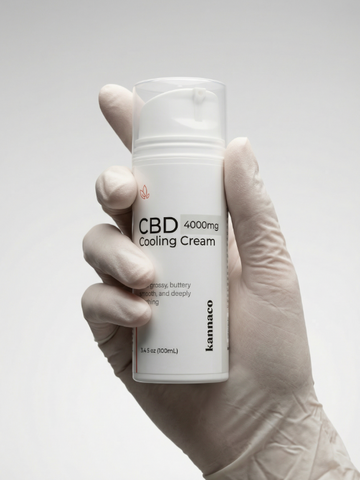
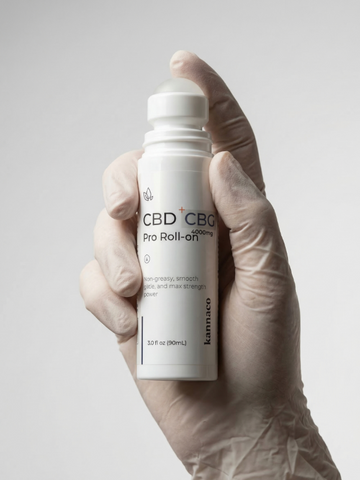
Yes. Every Kannaco topical is made with CBD and CBG isolates, not full-spectrum extract and not lab-synthesized cannabinoids. Each batch is tested by an independent lab, and every lab report shows THC as not detected, with the lab's detection limit printed on the report. That holds for every size we make, including 16 oz jars. Scan the QR code on your label to see the report for your exact batch.
What happens to hemp products that are over the limit?
Does any of this change drug testing?
No. Drug tests look for THC, and the new law doesn't change how employers test. If you're tested for work or sport, the safest course is the one Consumer Reports suggests: stop all CBD products, topicals included, a few weeks before a test.[12] A THC-free product lowers the risk, but no company can guarantee a test result.
Do state hemp laws still apply?
Yes. The federal change doesn't replace state rules, and some states moved earlier or set stricter limits of their own.[4][3] Kansas, for example, already measures total THC. Kannaco does not ship to Alabama because of state law. Check your state in our state-by-state library.
I'm a practitioner. What should I do before December 11?
Pull the current lab report for every CBD product on your shelf or backbar and check two numbers: total THC and THC per container. Set aside anything without a report. Then check your state's page in our library and confirm coverage with your liability carrier. Our client-questions guide has wording for the questions clients will ask.
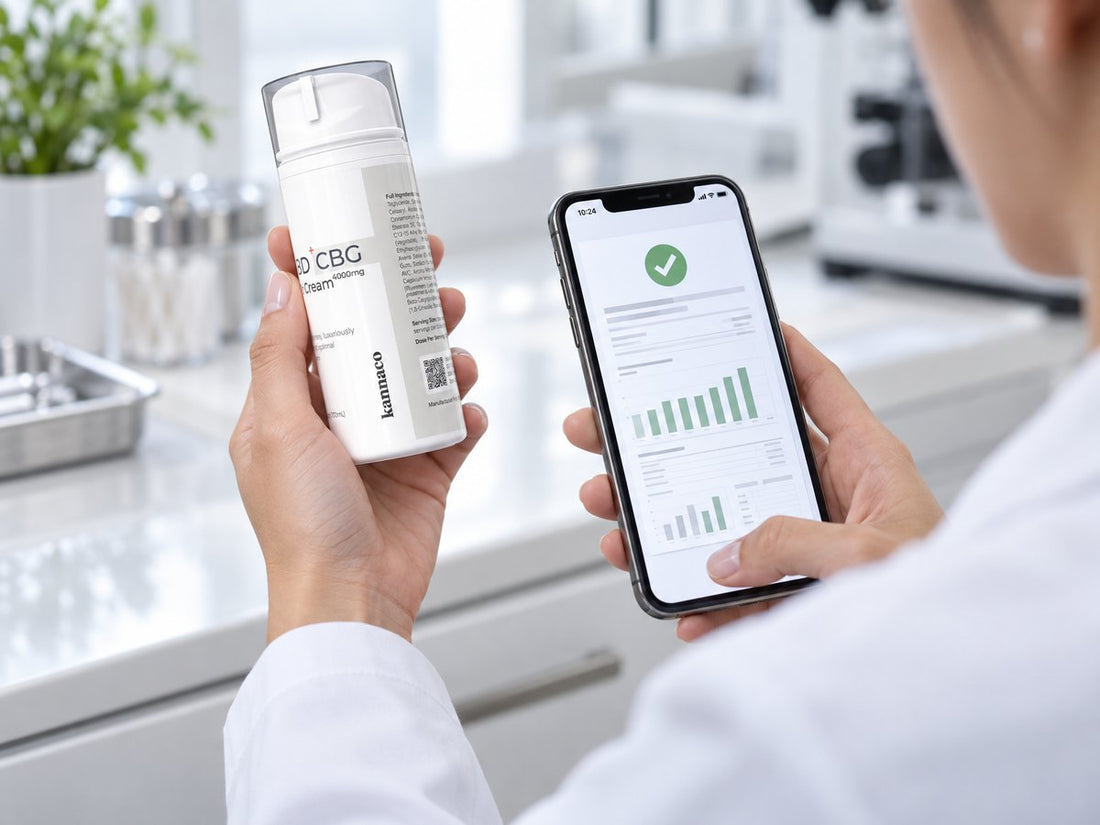
How to check a product in three steps
- Find the batch number. It's printed on the label or the bottom of the bottle.
- Open the lab report for that batch. Scan the QR code or look it up on the brand's lab reports page. No report is a red flag.
- Read the THC lines. Look for delta-9 THC and THCA, the detection limit, and THC per container if it's listed. “ND” means not detected.
Made for the December 11 rules
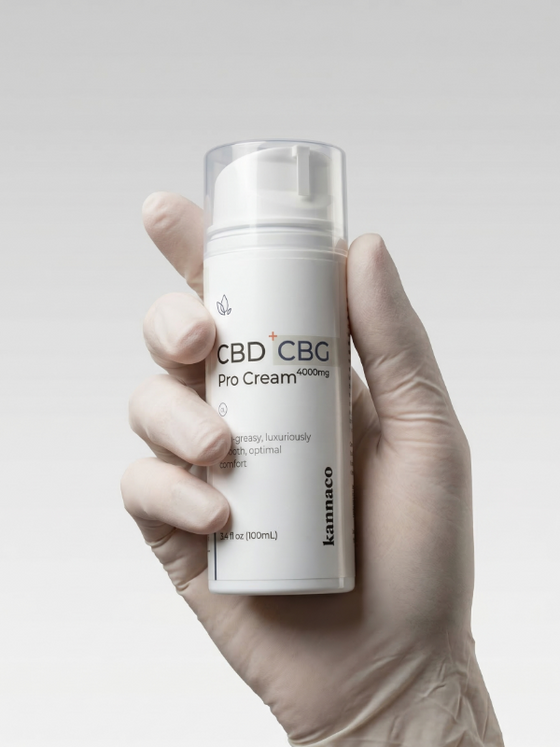
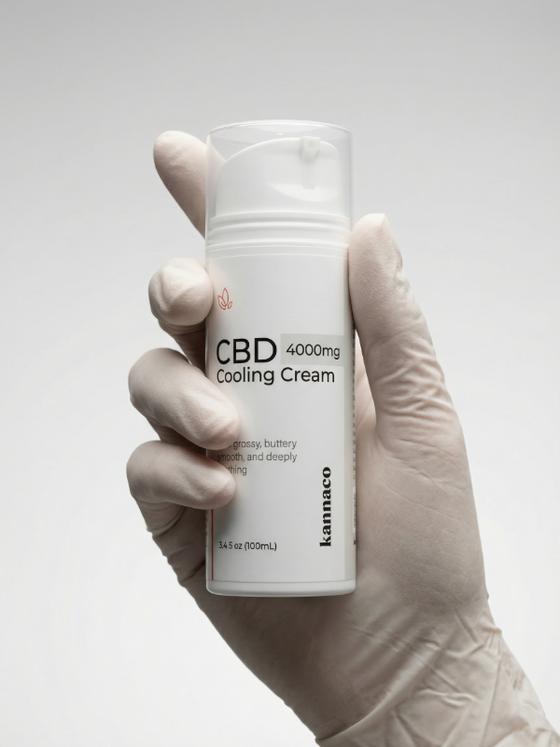
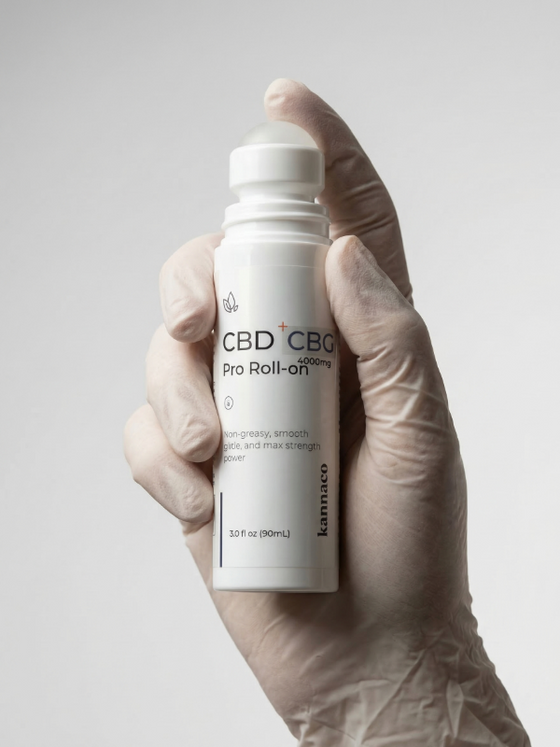
Every Kannaco topical uses CBD and CBG isolates in a 1:1 ratio. No full-spectrum extract, and no lab-synthesized cannabinoids.
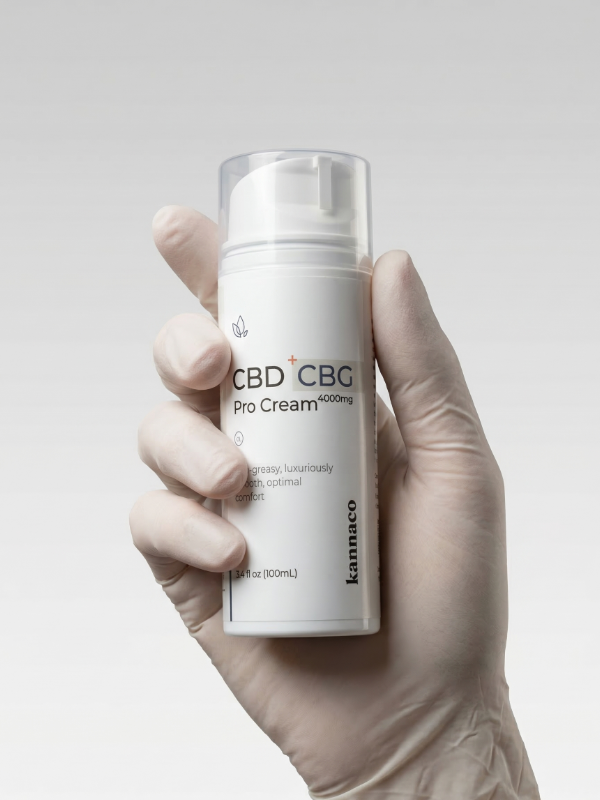
Pro Cream
100 mL · 4,000 mg CBD + CBG
THC not detected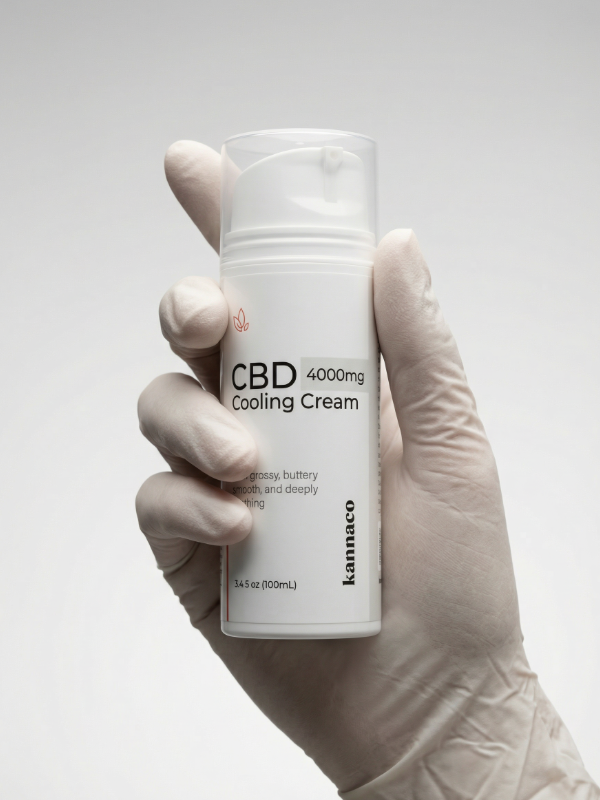
Cooling Cream
4,000 mg · gentle cooling
THC not detected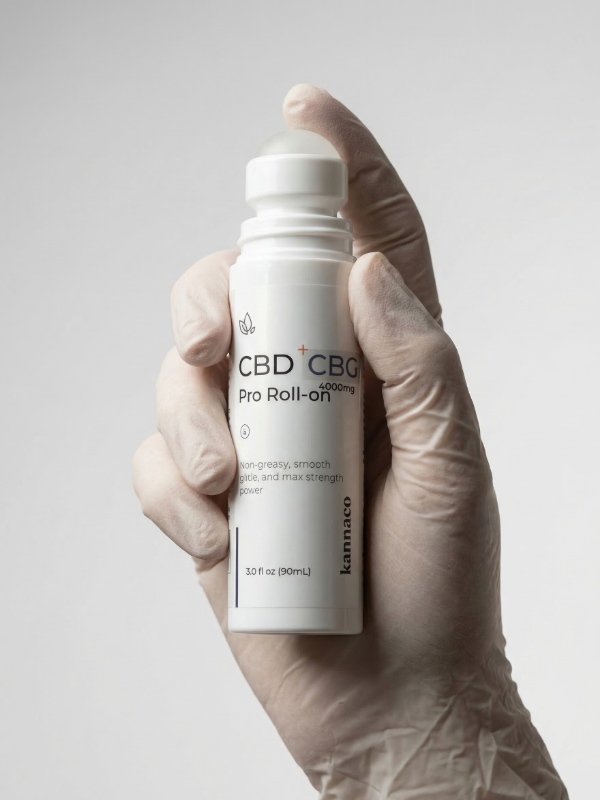
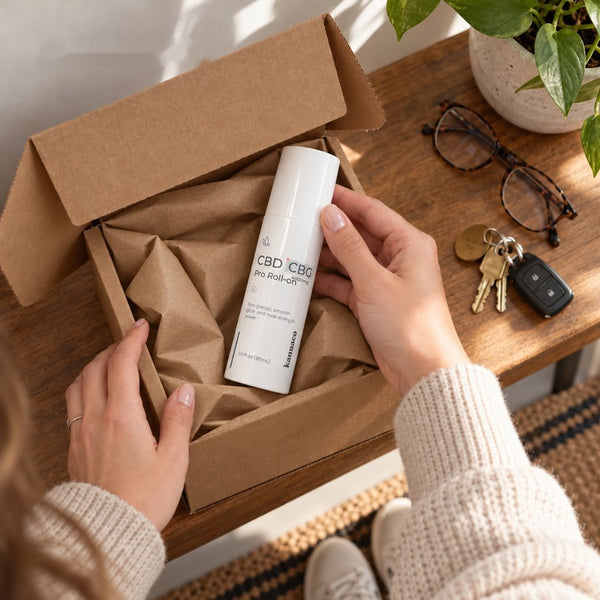
Pro Roll-On
90 mL · strongest cooling
THC not detected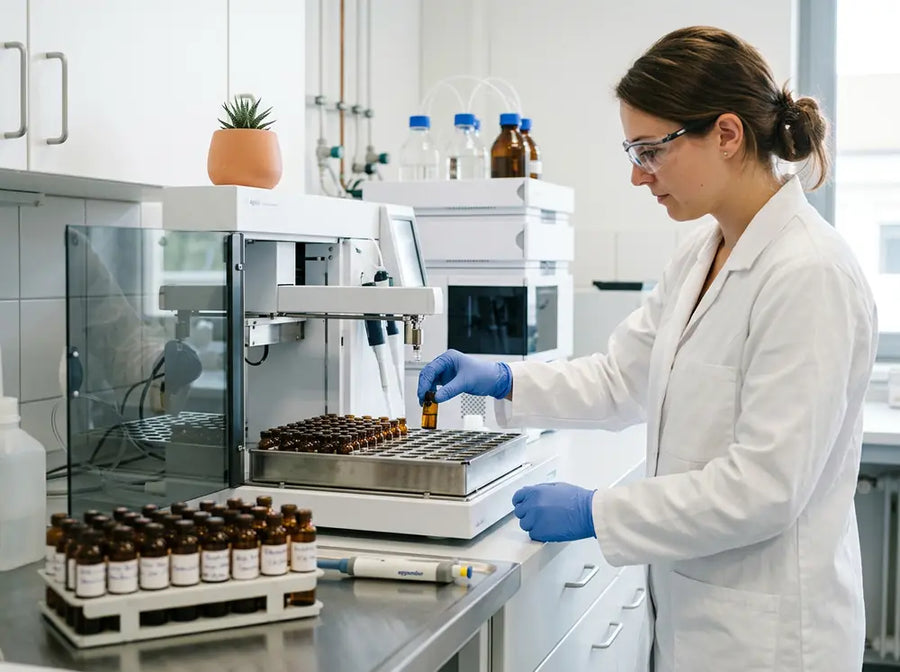
- 0.0% THC on every batch report
- Independent lab tests every batch
- QR code to the report on each label
- Every size qualifies, including 16 oz jars
- Made in Olathe, Kansas
Kannaco handles
- THC-free formulas and batch lab testing
- Lab report linked by QR code on each label
- Federal facility registration and product listing
- Claim-free product names and labels
- No shipments to Alabama, per state law
You handle (if you sell or use it in practice)
- Your state's steps for selling
- Keeping your own ads free of health claims
- Selling products sealed, as shipped
- Confirming coverage with your insurer
A checklist for your practice before December 11
- Audit your shelf and backbar. Match every CBD product to a current batch lab report.
- Check two numbers. Total THC (THCA counted) and THC per container.
- Pull anything without a report until the brand can provide one.
- Confirm your state's rules and your licensing board's position on CBD.
- Call your liability carrier to confirm CBD coverage.
- Prepare your answers. Clients will ask whether CBD is still legal.
Check the rules where you live
Federal law sets the floor, and states can go further. Our library covers all 50 states for practitioners carrying CBD topicals, with every answer linked to the state source. Last checked November 14, 2026.
Sources
- Congressional Research Service, “Changes to the Statutory Definition of Hemp and Implications for Agricultural Policy” (IF13136), updated Sept. 28, 2026
- Congressional Research Service, “Delay in Changes to Hemp Definition” (LSB11496), Oct. 28, 2026
- Vicente LLP, “Federal Hemp Update: Definition Change Delayed to December 11”
- Akerman LLP, “Congress Approves One-Month Delay of Federal Hemp THC Restrictions,” Sept. 2, 2026
- Fox Rothschild, “House Passes Resolution Delaying Most Federal Hemp-Definition Restrictions by One Month,” Sept. 2026
- The Washington Times, “Synthetic hemp cannabinoids now illegal under federal law,” Nov. 13, 2026
- Healthline, “Federal ban on hemp-derived THC products could limit CBD access”
- Dilworth Paxson, “ALERT: New Federal Hemp Restrictions,” Nov. 21, 2025
- Harris Sliwoski, “Two deadlines, one market: California hemp in the last weeks of 2026”
- Forbes, “The $38 Billion Hemp Industry Has One Month To Live,” Nov. 10, 2026
- Terpenes and Testing, “The 2026 Hemp Redefinition: What Total THC Means for THCA”
- Consumer Reports, guidance on CBD use and workplace drug testing
Please read
This page explains federal law as of November 14, 2026. It is general information, not legal advice, and it doesn't cover every state rule or situation. Laws can change quickly. Check with your state agency, licensing board or an attorney before making business decisions.
These statements have not been evaluated by the Food and Drug Administration. Kannaco products are not intended to diagnose, treat, cure or prevent any disease. Talk with your doctor before using CBD if you are pregnant, nursing or take prescription medicine.
Last updated . We'll update this page when Congress acts.