cannabinoid scienceCBD topicalChiropractic Retail

CBD + CBG Science for Health and Wellness Professionals

J
James Garman, Founder
4 min read
CBD + CBG Science for Health and Wellness Professionals
In this article
An overview of CBD and CBG topicals for licensed health and wellness professionals. This blog covers what the two cannabinoids are, how these products are described, third-party lab testing, market trends, and practical tips for answering patient questions.

As licensed health and wellness professionals, staying informed about the products your patients ask about is crucial. The combination of cannabidiol (CBD) and cannabigerol (CBG) in topical skincare products is gaining attention. This article covers what CBD and CBG are, how these topicals are described and lab tested, and practical points for answering patient questions.

Understanding CBD and CBG

Cannabidiol (CBD) and cannabigerol (CBG) are non-psychoactive cannabinoids derived from the cannabis plant. While CBD is well-known, CBG is often referred to as the "mother cannabinoid" because it is the precursor from which other cannabinoids are synthesized.

How CBD and CBG Topicals Are Described

CBD and CBG topicals are topical products for the skin, and they are described by:

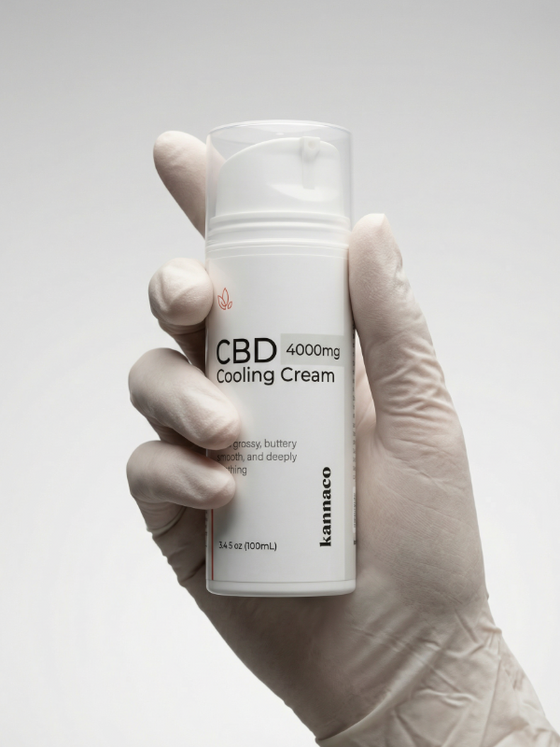
  • Feel: Cooling, warming or cool-then-warm on the skin, depending on the formula.
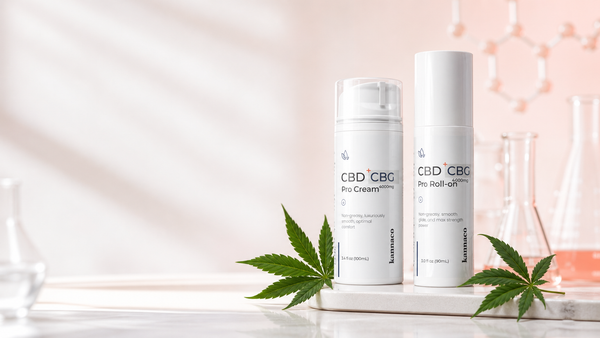
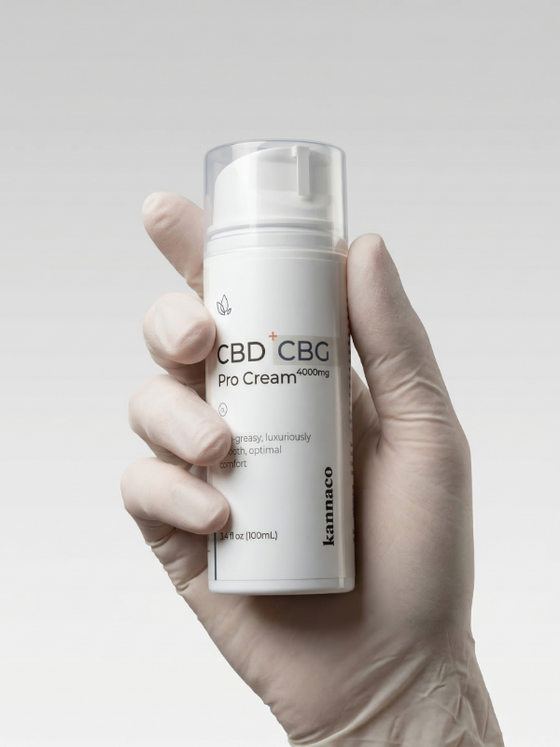
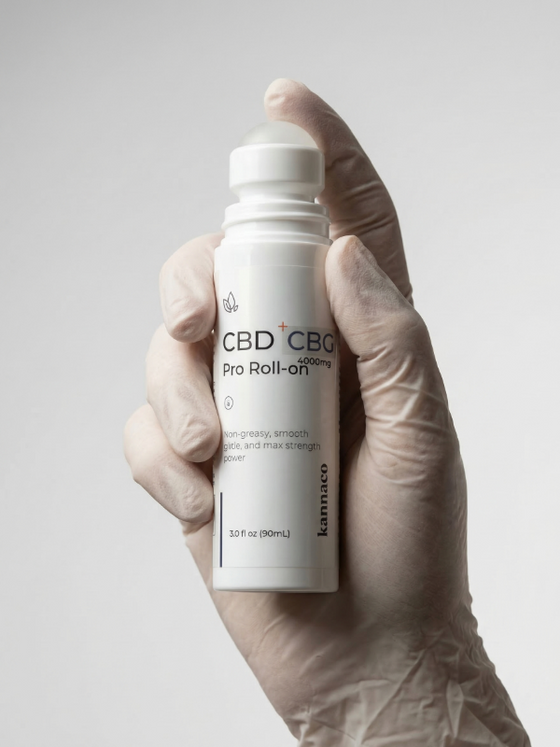
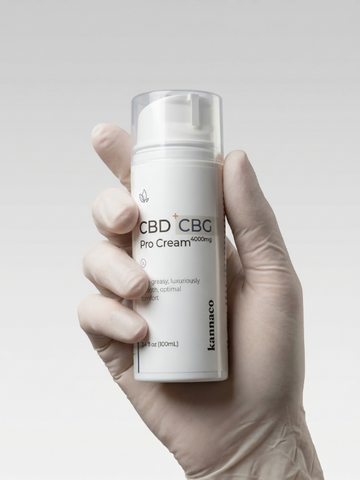
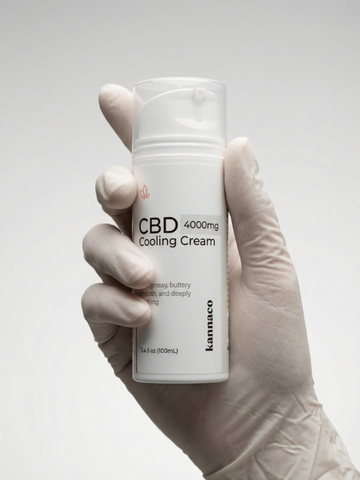
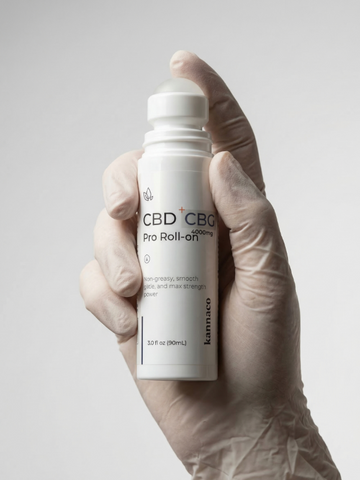
  • Texture and Format: A cream in an airless pump or a hands-free rollerball, with a clean, non-greasy finish.
  • Skin Conditioning: Moisturizing ingredients in the base help soften, smooth and hydrate the skin.

Quality and Testing of CBD and CBG Topicals

Knowing what is in a topical is paramount. Look for third-party lab testing, a batch-specific Certificate of Analysis (COA) that shows the cannabinoid content, and a full published ingredient list. Kannaco topicals are tested by SC Labs, an ISO/IEC 17025 accredited laboratory.

Market Trends and Patient Interest

The demand for cannabinoid-infused skincare products is on the rise. The global CBD skincare market was valued at approximately USD 2.49 billion in 2024 and is projected to reach USD 7.83 billion by 2030, growing at a compound annual growth rate (CAGR) of 21.1%. This growth reflects increasing consumer interest in natural and holistic skincare solutions.

Integrating CBD and CBG Topicals into Clinical Practice

When considering the incorporation of CBD and CBG topicals into your practice, it's essential to:

  • Source Quality Products: Ensure that the products are third-party tested for purity and potency.
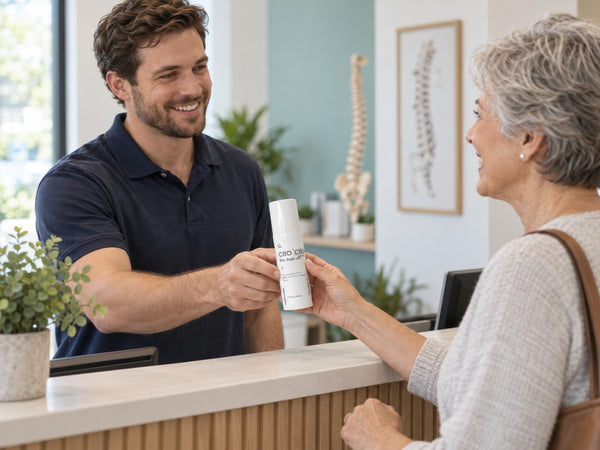
  • Educate Patients: Give patients plain facts: what is in the product, how to read the Certificate of Analysis, and that it is a topical product for the skin.
  • Listen to Patient Feedback: Keep track of patient questions and feedback, and address any concerns.

Frequently Asked Questions

What is the difference between CBD and CBG?
CBD and CBG are both non-psychoactive cannabinoids, but CBG is the precursor from which other cannabinoids are synthesized.
Are CBD and CBG topicals legal?
Legality varies by jurisdiction. It's important to consult local regulations regarding cannabinoid products.
Can CBD and CBG topicals cause a positive drug test?
Kannaco cannot promise the outcome of any test, and patients should check their employer's policy. Pro Cream and Pro Roll-On are made with CBD and CBG isolate, and each batch's Certificate of Analysis shows 0.0% THC.
How should CBD and CBG topicals be applied?
Apply a small amount to the skin and massage gently. Follow the product's specific instructions.
What if someone's skin reacts to a CBD and CBG topical?
They should stop using the product and consult a healthcare professional if concerns arise.
Can CBD and CBG topicals be used alongside other skincare products?
Yes, they can typically be integrated into existing skincare routines. However, it's advisable to perform a patch test when combining new products.
How long do CBD and CBG topicals take to dry?
Kannaco topicals dry in a couple of minutes and leave a clean, non-greasy finish.
Are CBD and CBG topicals suitable for all skin types?
Skin varies from person to person. Review the ingredient list and perform a patch test first. Individuals with sensitive skin should consult with a healthcare professional before use.
Do CBD and CBG topicals have a scent?
Some products may have a natural hemp scent, while others are formulated to be fragrance-free or include added fragrances.
Where can I purchase quality CBD and CBG topicals?
Quality products can be found through reputable retailers, both online and in physical stores. Ensure the products are third-party tested and comply with local regulations.

Conclusion

Incorporating CBD and CBG topicals into your clinical offerings can give patients another option for their skincare routine. By understanding the products and staying informed about market trends, you can answer your patients' questions with confidence.

These statements have not been evaluated by the Food and Drug Administration. This product is not intended to diagnose, treat, cure, or prevent any disease.


References

Kannaco

About the Author

James Garman, Founder

Kannaco Wellness Team | Formulation Expert

Editorial Team Topical Education

Our Kannaco wellness team is dedicated to bringing you clear, practical insights on cannabinoid formulation, topical ingredients, and daily self-care routines.

Evidence-informed CBD education
More from Kannaco

Keep Reading

Related Articles

Ready to try Kannaco?

Browse our lab-tested topicals, each with a batch-specific Certificate of Analysis.

Shop All Products Learn More