CBD topicalCBD + CBG for Acupuncturists: The Basics Explained Simply
CBD + CBG for Acupuncturists: The Basics Explained Simply
As acupuncturists look at the products they keep in their practices, questions about cannabinoids like cannabidiol (CBD) and cannabigerol (CBG) come up often. This article gives a simple overview of what CBD and CBG are and what to look for in a topical product that contains them.
Understanding CBD and CBG
CBD and CBG are non-psychoactive cannabinoids derived from the cannabis plant. CBD is the more widely recognized of the two, while CBG is emerging as a compound of interest.
Definition: Cannabigerol (CBG) is a non-psychoactive cannabinoid found in cannabis plants, often called the “mother cannabinoid” because it serves as a precursor to other cannabinoids.
CBD and CBG Together
Some topical products are made with both CBD and CBG in one formula. When a product contains both, look for the amount of each on the label and on the Certificate of Analysis.
What to Look for in a CBD and CBG Topical
- Third-Party Testing: Look for a batch-specific Certificate of Analysis (COA) from an independent lab.
- Clear Labeling: The label should state the amount of CBD and CBG and list every ingredient.
- THC Content: Check the COA for the THC content of the batch.
Frequently Asked Questions
What is the difference between CBD and CBG?
CBD and CBG are both non-psychoactive cannabinoids found in cannabis plants. They are separate compounds, and CBG serves as a precursor to other cannabinoids.
Can CBD and CBG be used together?
Yes. Some topical products are made with both CBD and CBG in the same formula.
What if skin reacts to a CBD and CBG topical?
Try a small area of skin first. If irritation occurs, stop using the product and consult a healthcare professional.
Is it legal for acupuncturists to use CBD and CBG in practice?
Legality varies by jurisdiction. Acupuncturists should consult local laws and regulations regarding cannabinoid use.
How can I ensure the quality of CBD and CBG Products?
Look for products that are third-party tested and provide certificates of analysis (COAs) to verify purity and potency.
What about clients who take prescription medication?
Clients who take prescription medication or are under a provider’s care should ask their doctor or pharmacist before using a new product.
How should CBD and CBG be stored?
Store in a cool, dark place away from direct sunlight to maintain product integrity.
How should a CBD and CBG topical be applied?
Follow the directions on the product label.
Can pregnant or nursing women use CBD and CBG?
Pregnant or nursing women should consult with a healthcare provider before using cannabinoid products.
Where can I find reputable CBD and CBG products?
Reputable products can be found through licensed dispensaries, health stores, and online retailers that provide third-party testing results.
Updated July 2, 2025
These statements have not been evaluated by the Food and Drug Administration. This product is not intended to diagnose, treat, cure, or prevent any disease.
About the Author
Dr. Tony Willcox, DC
Kannaco Wellness Team | Formulation Expert
Our Kannaco wellness experts are dedicated to bringing you the latest science-backed insights on cannabinoid formulation, natural recovery, and deep-penetrating topical relief.
Keep Reading
Related Articles
CBD topical
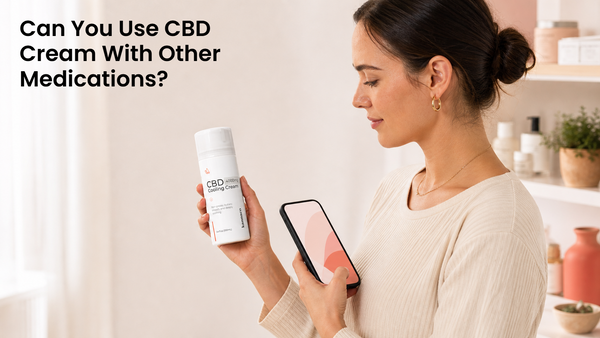
CBD topicalCan You Use CBD Cream While Taking Medications?
cannabinoid scienceCBD vs. CBG: The 1:1 Ratio That Makes KannaCo Pro Cream D...
Ready to experience the difference?
Kannaco topicals are formulated with the same cannabinoid science you just read about.